QuoTracT Blog
The Complete Guide to Roofing: Choosing, Installing, and Maintaining Your Home’s First Line of Defense
A comprehensive guide to roofing materials, installation, and maintenance. Learn how to choose the right roof for your home and keep it in top condition.
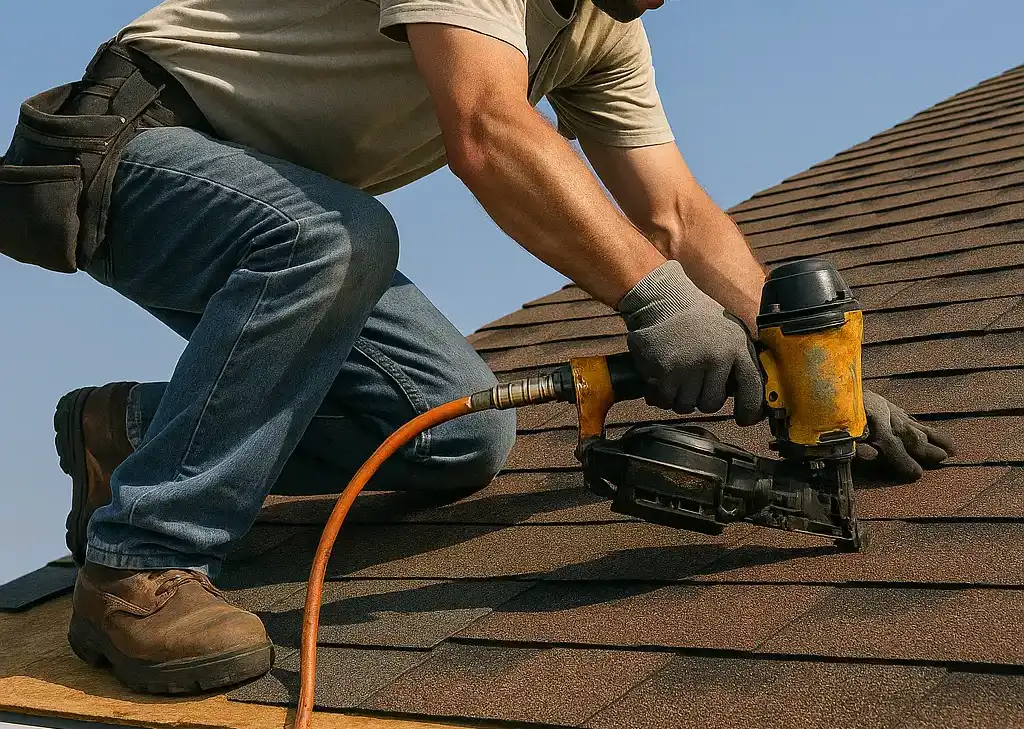
The Complete Guide to Roofing: Choosing, Installing, and Maintaining Your Home’s First Line of Defense Roofing is more than just shingles on a house — it’s a critical component of a building’s structural integrity and overall appearance. A well-maintained roof protects your home from the elements, improves energy efficiency, and can significantly increase property value. For homeowners and contractors alike, understanding the fundamentals of roofing is essential. This guide walks through the key aspects of residential roofing, from choosing the right materials to proper installation and long-term maintenance.
Section 1: Understanding Roofing Materials Choosing the right roofing material is the first and most important decision in any roofing project. The right option depends on budget, climate, architectural style, and roof pitch. Each material offers a different balance of durability, cost, and appearance.
Asphalt Shingles
The most common roofing material in North America due to affordability and ease of installation. Available in many colors and styles, asphalt shingles typically last between 15 and 30 years. Extreme weather conditions can shorten their lifespan.
Metal Roofing
Known for durability and long-term performance, metal roofs can last 40 to 70 years. They are fire-resistant, withstand high winds, and are increasingly popular for their modern look and energy efficiency. Their reflective properties can help reduce cooling costs.
Clay and Concrete Tiles
These materials offer a distinctive Mediterranean or Spanish-style appearance. Extremely durable, they can last over 100 years. However, they are heavy and require a strong roof structure, and installation costs are higher than most alternatives.
Wood Shakes and Shingles
A traditional option that provides a natural, rustic appearance. Wood roofing requires more maintenance and is more vulnerable to fire, moisture, and rot. Typical lifespan ranges from 20 to 30 years.
Slate Tiles
Considered one of the highest-quality roofing materials available. Slate is a natural stone that is fireproof, extremely durable, and can last over a century. Its weight and cost make it a premium choice suitable only for structures designed to support it.
Section 2: The Installation Process — What to Expect
A roofing project’s success depends heavily on proper installation. Each phase of the process plays a critical role in ensuring long-term performance and protection.
Preparation and Tear-Off
The process begins with a full inspection of the existing roof. Old roofing materials are removed down to the deck, allowing contractors to identify hidden damage such as rot or structural weakness.
Deck and Underlayment Inspection
Once exposed, the roof deck is inspected and any damaged sections are replaced. A protective underlayment is then installed, acting as a secondary water barrier and an essential part of the roof’s waterproofing system.
Flashing and Ice & Water Protection
Flashing is installed around chimneys, vents, skylights, and roof valleys to prevent water intrusion. In colder climates, an ice and water shield is applied to protect against ice dams and freeze-related leaks.
Material Installation The new roofing material is installed according to manufacturer specifications. Shingles require precise placement and nailing patterns, while metal panels and tiles follow different but equally exact installation methods.
Final Touches and Cleanup
Ridge vents and finishing components are installed to ensure proper ventilation. The job concludes with a full cleanup, including magnetic sweeps to remove stray nails and debris.
Section 3: Essential Maintenance Tips to Extend Your Roof’s Life
Routine maintenance can dramatically increase a roof’s lifespan and reduce the risk of expensive repairs.
Routine Inspections
Inspect your roof at least twice a year, ideally in spring and fall. Look for missing shingles, cracked flashing, and signs of algae or moss growth.
Keep Gutters Clear
Blocked gutters cause water to back up and seep under roofing materials, leading to rot and interior damage. Clean gutters regularly.
Trim Overhanging Branches Tree branches can scrape roofing materials, causing wear and punctures. Trim branches to prevent contact with the roof.
Check for Interior Leaks
Inspect the attic for water stains, mold, or mildew on the roof deck. These signs often indicate early-stage leaks that should be addressed immediately.
Conclusion A roof is one of the most important investments in a home’s longevity and value. By choosing the right materials, ensuring professional installation, and maintaining the roof properly, homeowners can protect their property for decades. This guide helps homeowners make informed decisions while positioning contractors as knowledgeable, trustworthy professionals in residential construction and maintenance.