QuoTracT Blog
How to Prepare Your Home for the Summer Heat in Canada
Summer heat can put serious stress on your home’s cooling systems, insulation, and electrical setup. Here are practical steps homeowners in Canada can take before temperatures rise.
How to Prepare Your Home for the Summer Heat in Canada
Canadian summers can be beautiful, but they can also bring intense heat, humidity, and sudden temperature spikes. Whether you live in Ontario, British Columbia, Alberta, Quebec, or the Maritimes, preparing your home before the hottest days arrive can help you stay comfortable, reduce energy costs, and avoid emergency repairs.
A little maintenance before summer can make a big difference, especially for your air conditioning system, ventilation, insulation, plumbing, and electrical load.
1. Check Your Air Conditioning System Before You Need It
One of the most important things you can do before summer is test your air conditioning system early. Don’t wait until the first heat wave to find out something isn’t working.
Turn your AC on and let it run for a short cycle. Pay attention to:
Weak airflow
Warm air coming from vents
Strange noises
Unusual smells
Water leaks around the unit
A thermostat that does not respond properly
If anything feels off, it is better to call an HVAC professional before the busy season starts. During heat waves, HVAC contractors can become booked quickly, and emergency service may cost more.
2. Replace or Clean Your Air Filters
Dirty filters make your cooling system work harder. That can reduce airflow, increase energy bills, and put unnecessary strain on your HVAC equipment.
Most homes should replace or clean filters every one to three months, depending on the system, pets, dust levels, and indoor air quality needs.
A clean filter can help improve:
Cooling performance
Indoor air quality
Energy efficiency
System lifespan
This is one of the simplest and most affordable maintenance tasks homeowners can do.
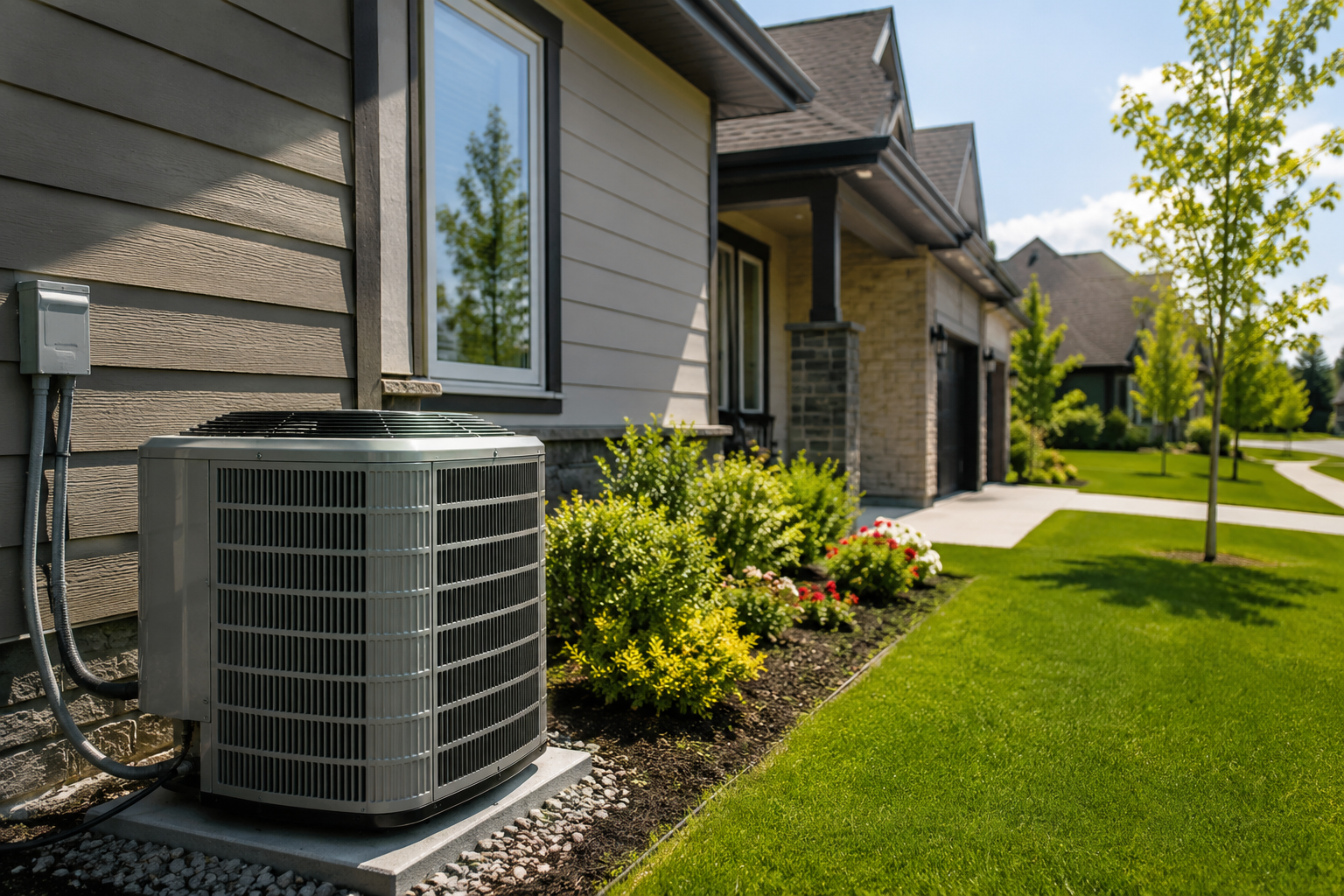
3. Clear the Area Around Your Outdoor AC Unit
Your outdoor condenser needs proper airflow to work efficiently. Leaves, grass clippings, branches, weeds, and debris can block airflow and reduce performance.
Before summer, inspect the area around the unit and clear at least two feet of space around it when possible. Make sure the unit is not buried under overgrown plants or blocked by storage items.
If the coils look very dirty, consider having them professionally cleaned. Avoid using high pressure water, as it can damage delicate fins.
4. Inspect Windows, Doors, and Weatherstripping
Cool air can escape through small gaps around windows and doors. At the same time, hot outdoor air can enter your home and make your cooling system work harder.
Walk around your home and check for:
Cracked caulking
Damaged weatherstripping
Drafts around doors
Windows that do not close tightly
Gaps around older frames
Sealing these areas can improve comfort and reduce cooling costs during hot weather.
5. Use Blinds, Curtains, and Shade Strategically
Direct sunlight can quickly heat up rooms, especially south facing and west facing spaces. Closing blinds or curtains during the hottest part of the day can help reduce indoor temperatures.
For better results, consider:
Blackout curtains
Solar shades
Exterior awnings
Window films
Shade trees or outdoor screens
This is especially helpful for bedrooms, home offices, and upper floors that tend to get warmer.
6. Check Attic Ventilation and Insulation
A hot attic can make the rest of your home harder to cool. Poor ventilation or insufficient insulation can trap heat and force your AC system to work longer.
Signs of attic-related heat problems may include:
Upper floors that stay hot
AC running constantly
Uneven temperatures between rooms
High cooling bills
Ice dam history in winter, which can also point to ventilation issues
A qualified contractor can inspect attic insulation, soffit vents, roof vents, and airflow to make sure your home is prepared for both summer and winter.
7. Service Ceiling Fans and Exhaust Fans
Fans do not lower the temperature of a room, but they help move air and make people feel cooler. Ceiling fans should rotate counterclockwise in summer to push cool air downward.
Also check bathroom and kitchen exhaust fans. These help remove humidity, cooking heat, and moisture from the home.
Good airflow can help reduce the load on your cooling system and improve overall comfort.
8. Watch Indoor Humidity Levels
Summer heat often comes with humidity, and high humidity can make your home feel warmer than it actually is. It can also contribute to mould growth, musty smells, and discomfort.
If your home feels sticky even when the AC is running, you may have a humidity issue.
Helpful steps include:
Using bathroom fans during and after showers
Running kitchen exhaust fans while cooking
Checking for basement moisture
Using a dehumidifier where needed
Making sure your AC system is properly sized and maintained
In some homes, humidity control is just as important as temperature control.
9. Check Electrical Load Before Adding Cooling Equipment
Portable AC units, fans, dehumidifiers, and other summer appliances can add extra demand to your electrical system. Older homes may not be prepared for multiple high draw devices running at once.
Watch for warning signs such as:
Breakers tripping
Flickering lights
Warm outlets
Extension cords being used permanently
Too many devices plugged into one circuit
If you are planning to add a heat pump, ductless mini-split, hot tub, EV charger, or larger AC system, speak with a licensed electrician first.
10. Prepare for Power Outages and Heat Waves
Extreme heat can sometimes lead to power outages or grid stress. A basic plan can help keep your household safer and more comfortable.
Consider preparing:
Flashlights and batteries
Battery packs for phones
A cooler for essential food or medication
A plan for elderly family members or pets
Knowledge of local cooling centres
A list of emergency contractor contacts
If someone in the home is vulnerable to heat, planning ahead is especially important.
11. Schedule Preventive Maintenance Early
Many homeowners only call contractors when something breaks. But preventive maintenance is usually more affordable and less stressful than emergency repairs.
Before peak summer, consider booking:
HVAC inspection
AC tune-up
Ductwork inspection
Thermostat check
Attic ventilation review
Electrical inspection if adding cooling equipment
Plumbing check for outdoor hose bibs and irrigation systems
Contractors also tend to have more availability before the first major heat wave.
Final Thoughts
Preparing your home for summer heat is not just about comfort. It can help protect your HVAC system, improve energy efficiency, reduce humidity problems, and prevent avoidable repair costs.
Start with the basics: test your AC, replace filters, clear outdoor units, seal air leaks, and manage sunlight. If something does not look or sound right, contact a qualified local professional before the hottest days arrive.
A well-prepared home is easier to cool, more comfortable to live in, and better protected when summer temperatures climb.